Queue Management System in Pakistan: Indoor Counters vs. Drive-Thru Lanes in 2026
Pakistan’s retail and fast-food sector has expanded rapidly across Lahore, Karachi, Faisalabad, and Islamabad over the last few years, and with that growth has come a very specific operational question: should a brand invest in an indoor queue management system in Pakistan, a drive-thru lane system, or both? For multi-location operators in 2026, the answer increasingly is both, deployed with different hardware and different goals.
This article walks through how indoor queue systems and drive-thru systems actually differ in hardware, use case, and ROI, so operators planning a 2026 upgrade can budget correctly instead of over-buying one category and under-investing in the other.
Two Different Problems, Two Different Technologies
It is tempting to assume “queue technology” is one single product category, but indoor counters and vehicle lanes solve genuinely different operational problems.
Indoor Queue Management: Organizing Foot Traffic
Indoor systems exist to organize people standing or sitting in a lobby, bank branch, telecom retail outlet, or clinic. The core components are a ticket kiosk, a counter-side display, and a backend analytics dashboard. The goal is fairness, visibility, and reduced staff interruption.
Drive-Thru Systems: Organizing Vehicle Flow and Order Timing
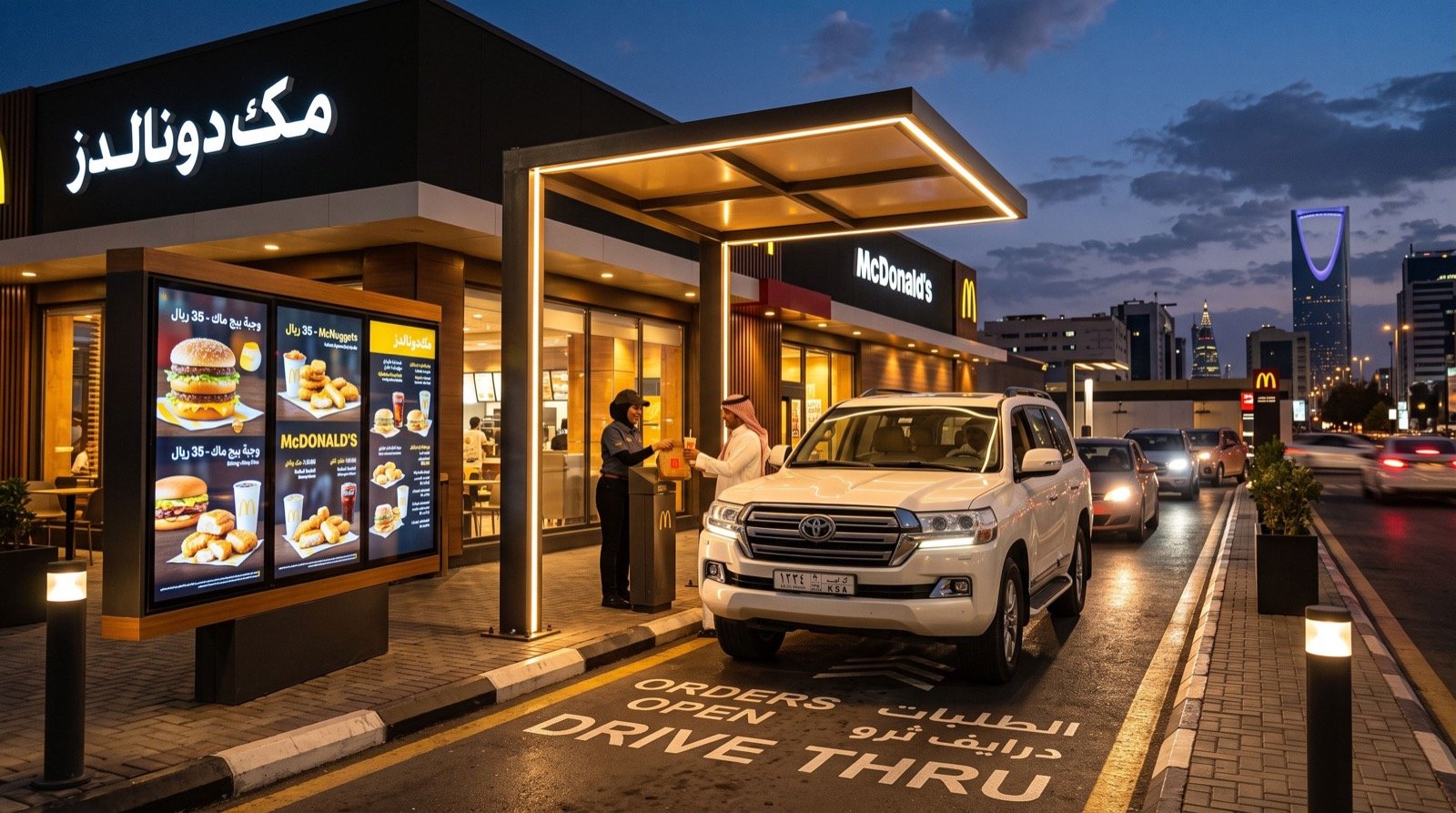
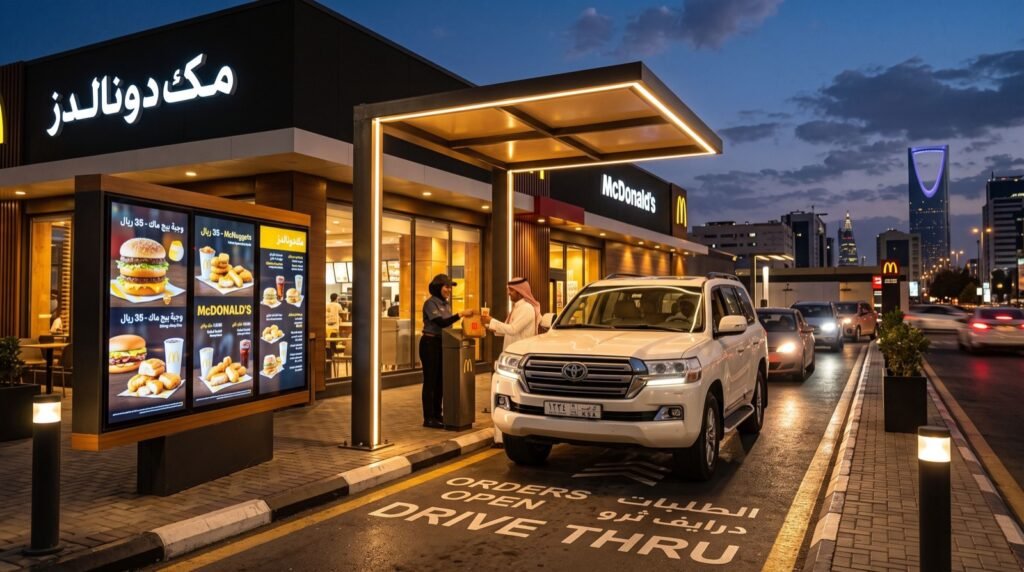
Drive-thru technology instead tracks vehicles through an ordering point, a payment window, and a pickup window, usually timed by lane sensors or cameras. The goal here is different: minimizing total vehicle time in the lane, which directly affects how many cars a single lane can serve per hour, a metric quick-service restaurant operators in Pakistan watch closely during Ramadan iftar rushes and weekend evening peaks.
How Do the Two Systems Compare Side by Side?
| Factor | Indoor Queue System | Drive-Thru System |
|---|---|---|
| Primary metric | Wait time per visitor | Vehicles served per hour |
| Core hardware | Kiosk, ticket printer, counter display | Order confirmation board, lane timer, intercom/headset |
| Typical venues | Banks, clinics, telecom retail, government offices | Fast food, pharmacy pickup, coffee chains |
| Peak stress period | Weekday mornings, Ramadan evenings | Dinner rush, Ramadan iftar window |
| Data captured | Service duration per counter | Order-to-window timing per lane position |
Why Pakistani Retail Brands Are Investing in Both in 2026
Multi-format brands, meaning a chain that operates both a walk-in counter and a drive-thru lane at the same location, increasingly need both systems running simultaneously. A telecom retail outlet with an attached quick-service kiosk, or a pharmacy with both in-store pickup and a drive-thru window, cannot rely on a single piece of technology to manage both flows well.
Operators evaluating a queue management system in pakistan for their indoor counters should plan the vendor conversation and the drive-thru vendor conversation together, since synchronized reporting across both channels gives management a genuinely complete picture of total customer flow, not just half of it.
What Should You Look for in a Drive-Thru System Vendor?
- Lane timer accuracy that has been field-tested in similar climate and traffic conditions to Pakistani cities
- Order confirmation boards readable in direct sunlight, which is a real issue during Pakistan’s long summer months
- Intercom or headset systems that filter road noise effectively
- Reporting that breaks down time spent at each stage: order, pay, pickup, rather than one combined number
- Vendor experience specifically with Drive Thru Systems deployed in similar climate and traffic conditions, not just imported hardware with no local field history
Is a Queue Management System Worth It for a Single-Location Business?
Operators running one branch often assume queue technology is only for large chains. In practice, the breakeven point is lower than most expect. Once a single location consistently serves more than roughly 100-150 customers a day, a basic indoor system or single-lane drive-thru upgrade typically pays for itself within 6-12 months through reduced staff interruption time and measurable increases in repeat visits.
- Count your current daily peak-hour volume for two representative weeks
- Identify whether complaints reference “waiting” or “line” specifically in customer feedback
- Request a vendor site assessment rather than a generic quote; lobby and lane layout both affect final pricing
- Pilot at your busiest single location before committing to a multi-branch rollout
Maintenance and Support Considerations Specific to Pakistan
Power stability and import logistics for replacement parts are two factors that catch operators off guard after installation. Confirm your vendor stocks spare parts locally and that kiosks or lane boards include battery backup sufficient to bridge short outages without losing queue data.
Operators modernizing their broader facilities management alongside customer-facing queue technology often bundle this with other digital upgrades; organizations seeking trusted professionals for maintenance ticketing systems frequently find it efficient to plan both projects in the same budget cycle, since both rely on similar backend reporting infrastructure.
Pakistan’s broader digital economy push, supported by national technology bodies such as Ignite National Technology Fund, has accelerated adoption of exactly this kind of customer-facing retail technology across the country’s service sector, making vendor support networks considerably more mature in 2026 than they were just a few years ago.
Frequently Asked Questions
Can one vendor supply both indoor queue and drive-thru systems?
Some vendors offer both product lines, but it is worth confirming the drive-thru hardware has genuine field deployment history rather than being a secondary product added to a catalog. Ask for reference sites you can visit or call.
How long does a drive-thru system installation take?
A single-lane installation, including order board mounting, timer sensor calibration, and staff training, typically takes two to four days depending on existing electrical infrastructure at the site.
Do these systems work during Pakistan’s frequent power fluctuations?
Quality hardware includes surge protection and battery backup sufficient for short outages. Always confirm this specification before purchase rather than assuming it is standard across all vendors.
What is the single biggest mistake operators make when adopting queue technology?
Buying hardware before measuring actual peak-hour volume and bottleneck location. A short observation period before purchase consistently leads to better equipment choices and avoids overspending on capacity you do not need.
Final Thoughts
Indoor queue management and drive-thru systems solve related but distinct problems, and Pakistani retail and quick-service operators who treat them as separate projects, each with hardware suited to its specific use case, consistently get better results than those who try to force one technology to cover both. As the country’s retail sector keeps modernizing through 2026, operators who invest early in the right combination of indoor and lane-based queue technology are positioning themselves well ahead of competitors still relying on manual processes.