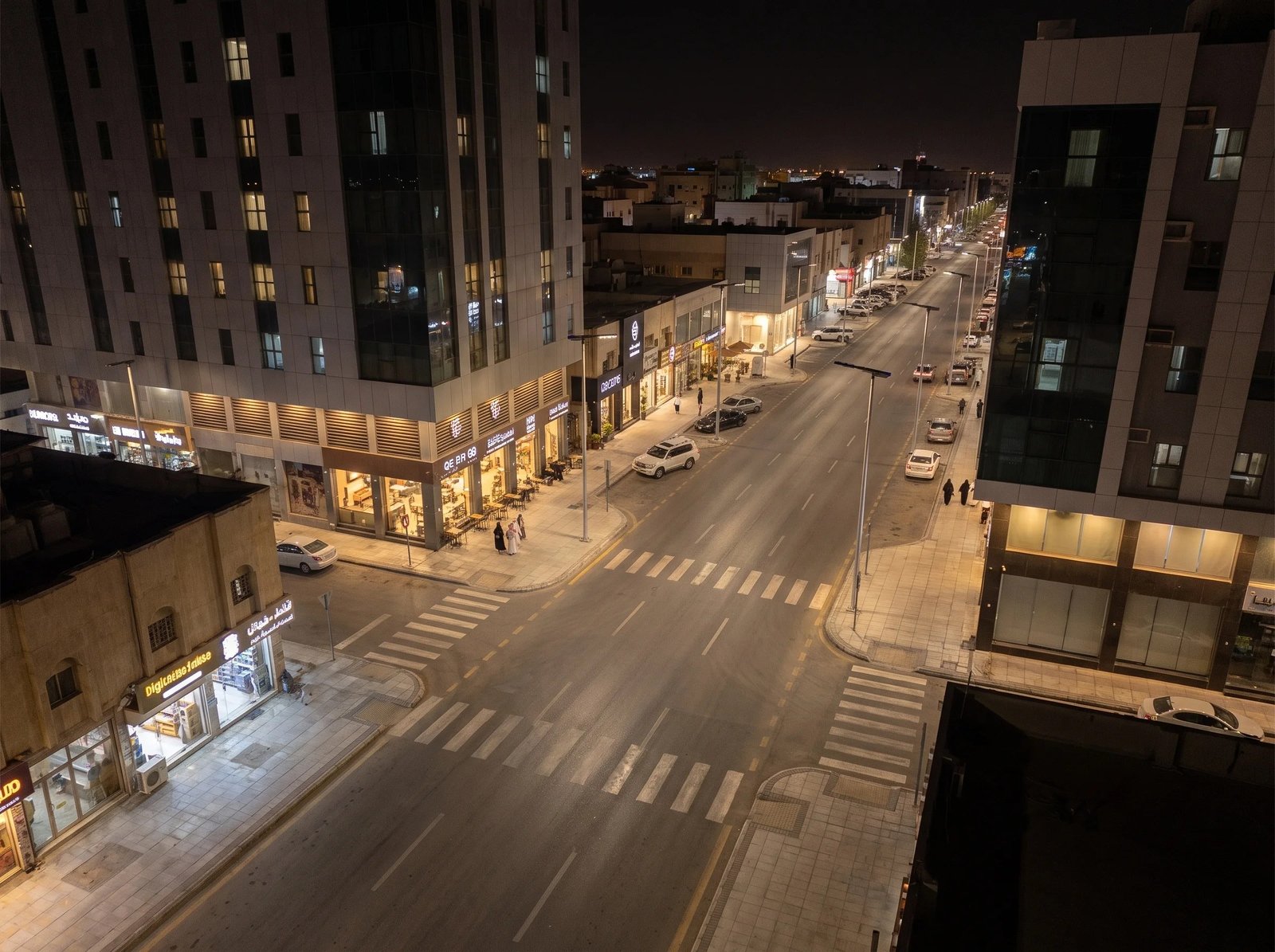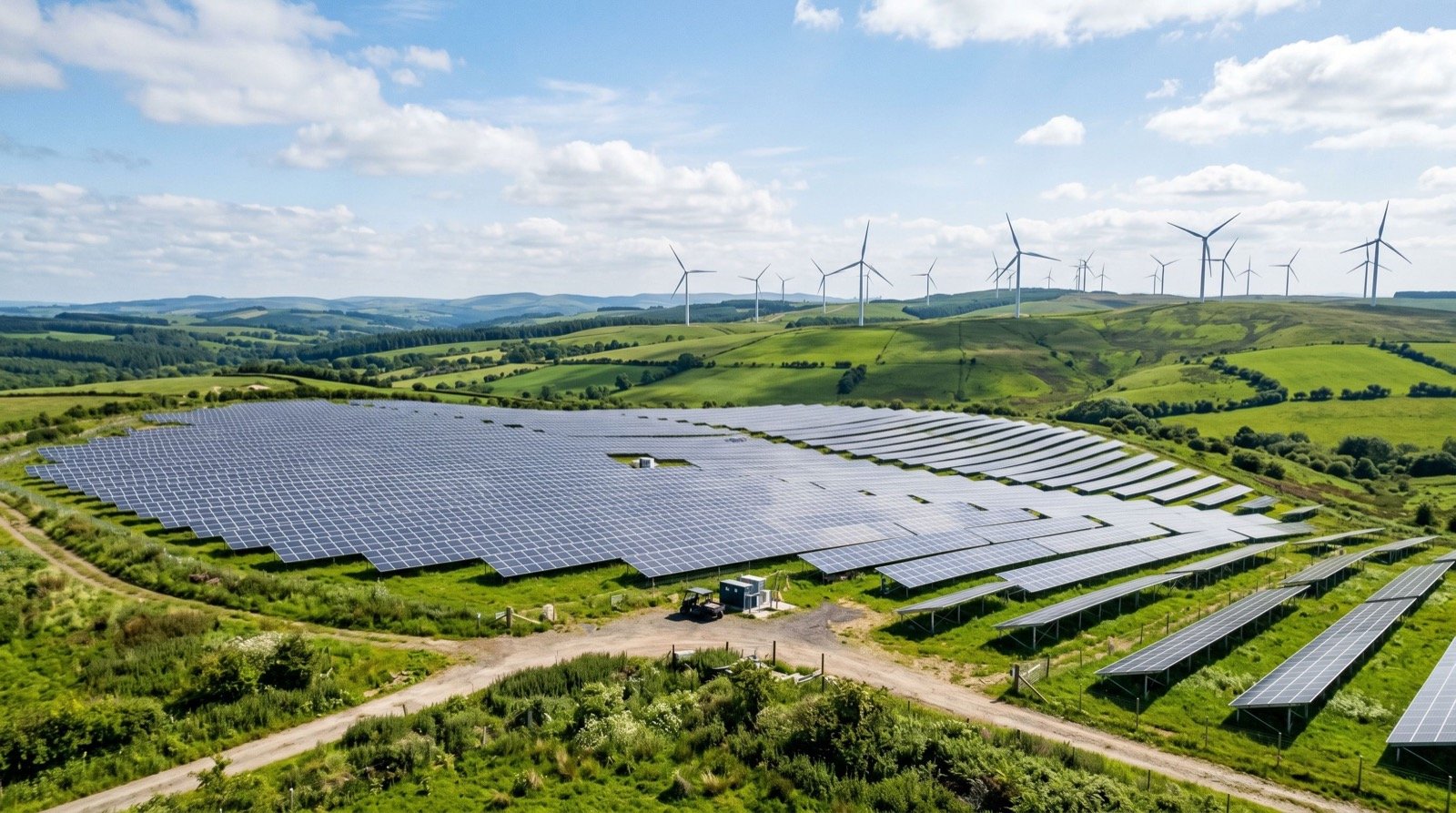
Public lighting tenders have changed. A decade ago, many municipal and highway packages were won on unit price alone, and the lowest bid for poles, panels and fixtures usually took the contract. Today, evaluators ask harder questions. They want proof that the lighting will meet the road class, that the batteries will last through the wet season, and that the supplier will still answer the phone in year five. For EPC contractors, that shift makes the choice of a solar street light partner one of the most important decisions in the whole bid.
This guide walks through how experienced EPC teams shortlist and evaluate suppliers for solar street lighting packages, what documents a tender committee expects to see, and where projects most often go wrong.
Why the Supplier Decision Matters More Than the Fixture
On paper, two solar street lights can look almost identical: similar wattage, similar panel size, similar battery capacity. In the field, they can behave very differently. One keeps the road lit at full output for three cloudy nights in a row. The other dims to a glow by midnight because the battery was undersized or the controller was never programmed for the local climate.
The difference is rarely the fixture itself. It is the engineering behind it: how the system was sized for the site, how the components were matched, and how much testing went into the design before it shipped. That is why EPC contractors increasingly treat the choice of a solar street light manufacturer as a technical partnership, not a purchasing line item.
A good manufacturing partner reduces risk in three places: during the bid (with credible design documents), during installation (with clear guidance and correct packaging), and during operation (with a warranty that is backed by real after-sales support).
Step 1: Start With the Road, Not the Catalogue
The most common mistake in solar street lighting tenders is choosing a product first and then trying to make it fit the road. Strong bids work the other way around. Before comparing suppliers, the EPC team should be clear on:
- Road class and lighting standard. Is the project a residential street, a collector road, an arterial road or a highway? Which standard applies, for example EN 13201 or a national equivalent?
- Geometry. Road width, number of lanes, median, sidewalks, and whether poles will be single-sided, staggered or opposite.
- Climate data. Solar irradiation through the worst month, average temperatures, rainfall, dust and coastal salt exposure.
- Autonomy requirement. How many consecutive cloudy nights must the system cover without sun?
- Operating profile. Full brightness all night, or dimming during low-traffic hours?
A capable supplier will ask for this information before quoting. If a supplier sends a price list without asking a single question about the site, that is a warning sign.
Step 2: Ask for a Lighting Design, Not Just a Datasheet
Tender evaluators no longer accept “100W solar street light, 8 meter pole” as a design. They want to see calculated results: average luminance or illuminance, overall uniformity, longitudinal uniformity and glare values, compared directly against the required road class.
The industry tool for this is DIALux. A proper DIALux lighting design models the actual road, places the luminaires at the proposed spacing and mounting height, and produces calculation reports that a consultant can check line by line. It also gives the EPC team a defensible answer when the evaluator asks why the poles are 30 meters apart instead of 25.
When comparing suppliers, ask each one to provide:
- DIALux calculation reports for your road profile, with results shown against the standard.
- Photometric files (IES or LDT) for the exact luminaire being offered.
- A system sizing sheet showing panel wattage, battery capacity, autonomy days and the dimming profile.
Suppliers who can turn this around quickly, and who include it as part of the project rather than as an extra charge, make life much easier for the bid team.
Step 3: Look Closely at Engineering and Quality Control
Many factories can assemble a solar street light. Far fewer can engineer one that performs consistently across thousands of units in different climates. Questions that separate the two:
- Who designs the product? Is there an in-house engineering team, and what standards does it design to? Manufacturers with German engineering and design oversight, for example, tend to put heavy emphasis on component matching, thermal management and documented testing.
- Which battery chemistry is used? LiFePO4 lithium batteries are now standard for quality projects because of their cycle life and temperature tolerance. Ask for the cell brand and the cycle-life rating.
- How is the controller programmed? A smart MPPT controller with a configurable dimming profile can extend autonomy significantly.
- What testing is done before shipment? Ask about aging tests, waterproof testing (IP65 or higher), and impact ratings (IK08 or higher for urban roads).
- What certifications are available? CE, RoHS, IEC test reports and third-party lab results help the tender file.
Step 4: Check the Track Record
A tender committee will often ask for references from similar projects. A supplier with a long list of completed installations, across many countries and climates, can usually provide case studies, photos and contact details for previous clients. Experience in your region matters too: a manufacturer that has supplied projects in desert, tropical and high-latitude conditions understands how sizing must change from one site to the next.
Ask for references that match your project type. Lighting a rural village road is a very different job from lighting a six-lane urban arterial.
Step 5: Compare Lifetime Cost, Not Unit Price
The cheapest bid often becomes the most expensive project. Undersized batteries need early replacement. Weak brackets fail in high winds. Poorly sealed housings let in water and dust. Each failure means a truck, a crew and a lane closure.
Build a simple lifetime cost comparison for each shortlisted supplier, covering:
- Initial equipment and installation cost.
- Expected battery replacement interval and cost.
- Warranty length and what it actually covers.
- Spare parts availability and lead time.
- Expected maintenance visits per year.
Over a 10 year horizon, a well-engineered system with a slightly higher upfront price is frequently the lower-cost option.
Step 6: Clarify Delivery, Installation Support and After-Sales Service
Large solar street lighting projects live or die on logistics. Confirm production lead times, packaging methods, container loading plans, and whether the supplier provides installation manuals, video guidance or on-site supervision for the first batch. After handover, find out who handles warranty claims, how fast replacement parts ship, and whether the supplier offers remote support for controller settings.
Common Mistakes to Avoid
- Choosing a fixture based on wattage alone, without a lighting calculation.
- Ignoring the worst-month irradiation and sizing for an average day.
- Accepting a warranty without reading the exclusions.
- Skipping a sample or pilot installation on large projects.
- Leaving the lighting design until after contract award.
Final Thoughts
Winning a solar street lighting tender is no longer about the lowest price per pole. It is about showing the evaluator that the system will meet the standard, survive the climate and be supported for years. EPC contractors who bring their manufacturing partner into the process early, ask for a proper lighting design and compare lifetime cost instead of unit price put themselves in a much stronger position, both to win the bid and to deliver a project they will be proud of long after handover.